

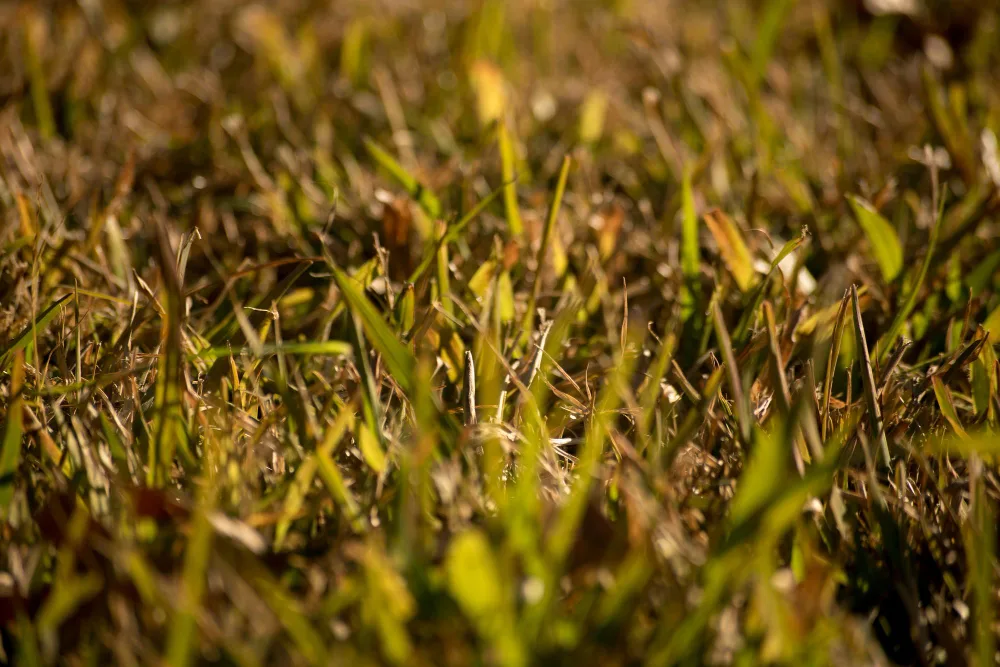
You look out at your lawn, and something’s not right. Despite your irrigation system running on schedule, you’re seeing brown, wilting patches of grass. It’s a frustrating situation that many Orlando homeowners face, especially under the strong Florida sun. You’ve invested in a system to keep your lawn green and healthy, but it seems like your water and money are going to waste.
If your sprinkler system is running but your grass is still dying, it's a clear sign of an underlying issue. The problem isn't that your lawn isn't getting water; it's that the water isn't getting to the right places, in the right amounts, or at the right time. Several factors, from clogged sprinkler heads to incorrect water pressure, can sabotage your lawn's health.
Understanding the root cause is the first step toward reclaiming your lush, green yard. This guide will walk you through the most common reasons your irrigation system might be failing your lawn and what you can do about it. We'll cover simple fixes you can try yourself and explain when it’s time to call for professional irrigation repair.
Uneven Water Distribution
One of the most frequent culprits behind brown spots is poor water coverage. Your system might be running, but if water isn’t distributed evenly across the entire lawn, some areas will thrive while others wither.
Clogged or Broken Sprinkler Heads
Over time, sprinkler heads can become clogged with dirt, sand, and other debris. This buildup obstructs the flow of water, leading to a weak spray or no spray at all. Similarly, sprinkler heads can be damaged by lawnmowers, foot traffic, or simple wear and tear. A cracked or broken head will often spray water uncontrollably in one area, flooding it while neglecting others.
What to do: Regularly inspect each sprinkler head while the system is running. Look for any that are sputtering, spraying unevenly, or not popping up. Clean out any visible debris from clogged nozzles. If a head is visibly damaged, it will need to be replaced.
Incorrect Sprinkler Head Height
For your irrigation system to work effectively, the sprinkler heads must be at the correct height. If a head is too low, the grass can block the spray, preventing water from reaching its intended area. If it’s too high, it becomes a tripping hazard and is more susceptible to damage.
What to do: Check that your sprinkler heads sit flush with the soil. You may need to dig around heads that have sunk over time and raise them. If they are too high, they can be adjusted downward.
Problems with Water Pressure
The water pressure in your irrigation system is crucial for its performance. Both high and low pressure can cause significant problems for your lawn.
Low Water Pressure
If the pressure is too low, the water won't be able to push out far enough to cover the entire zone. This results in dry spots around the perimeter of your sprinkler's reach. Low pressure can be caused by a leak in the main line, a partially closed valve, or issues with your municipal water supply.
What to do: Check your main water valve to ensure it's fully open. If the problem persists, you may have an underground leak that requires professional irrigation repair.
High Water Pressure
Conversely, water pressure that is too high is also problematic. It causes the water to atomize into a fine mist, which can easily be carried away by the wind before it ever touches the ground. This misting effect wastes water and leaves your lawn thirsty.
What to do: A pressure regulator can be installed on your system to ensure the pressure is within the optimal range for your sprinkler heads. This is often a job best left to an irrigation specialist.
Improper System Settings and Design
Sometimes, the problem isn't a malfunction but a flaw in the system's setup or programming. Your irrigation system might be working exactly as it's been told to, but the instructions are wrong for your lawn's needs.
Incorrect Watering Schedule
Watering at the wrong time of day can severely impact your lawn's health. Watering in the middle of a hot Orlando afternoon means much of the water will evaporate before it can be absorbed by the soil. Watering too late in the evening can leave the grass wet overnight, promoting fungus and disease.
What to do: The best time to water your lawn is in the early morning, typically between 4 a.m. and 8 a.m. This timing minimizes evaporation and allows the grass blades to dry during the day. Adjust your irrigation controller to run during this window.
Poor Zone Configuration
A well-designed irrigation system groups sprinkler heads into zones based on the specific needs of the landscape. For example, sunny areas require more water than shady spots, and flower beds have different needs than turfgrass. If your zones are poorly configured, some parts of your yard may be overwatered while others are left dry.
What to do: Observe your system as it runs through its cycles. Does one zone cover both a sunny patch of grass and a shady flower bed? If so, your system design may be inefficient. Reconfiguring zones is a complex task that typically requires professional help.
When to Call a Professional
While some irrigation issues can be resolved with simple DIY fixes, others demand the expertise of a professional. Persistent brown spots, sudden spikes in your water bill, or visible pooling of water are all signs of a more serious problem. Underground leaks, faulty valves, or electrical issues with the controller are not only difficult to diagnose but can also cause further damage if not handled correctly.
An experienced irrigation repair technician has the specialized tools and knowledge to quickly identify and fix these complex problems. They can perform a comprehensive system audit to ensure every component is working efficiently, saving you water, money, and the frustration of a dying lawn.
Get Your Lawn Back to Green
A healthy, vibrant lawn is a source of pride for any homeowner, but keeping it green in the Orlando, FL climate requires a properly functioning irrigation system. If you’ve tried troubleshooting your system without success, don’t let your landscape suffer any longer. The solution could be just a phone call away.
If you need help with irrigation repair in Orlando, FL, the team at JLC Outdoors is ready to assist. We have the expertise to diagnose and resolve any issue, ensuring your system delivers the right amount of water to the right places. Contact JLC Outdoors today to get a free estimate and restore your lawn to its lush, green glory.