
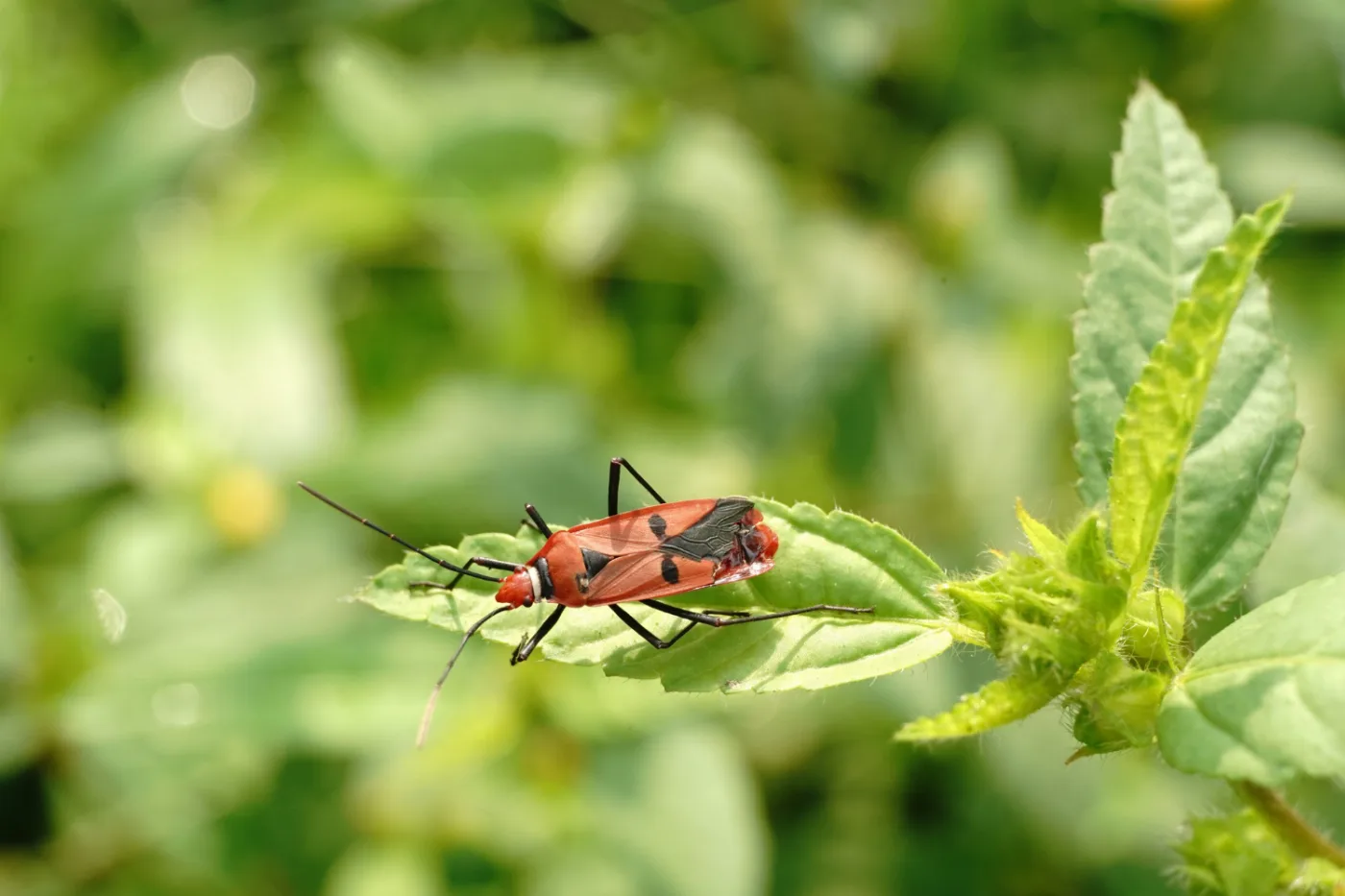
As a gardener, there is nothing more upsetting than seeing your plants not reaching their full potential and developing diseases caused by common pests. Garden pests and diseases can wreak havoc on your carefully nurtured plants, making them look dull and lifeless. However, there is no need to worry - with the right knowledge and techniques, you can protect your garden and have your plants growing happy and healthy in no time.
The first step in preventing pest and disease problems in your garden is understanding what pests are common in your area, and what diseases typically afflict your plants. If you are new to gardening or have moved to a new area, consult with local experts or do some research online to find out what pests are common in your area. Some of the most common garden pests include aphids, slugs, snails, and caterpillars. On the other hand, typical diseases include powdery mildew, verticillium wilt, and black spot. Knowing what to look out for means that you can catch problems early and stop them from spreading.
One way to deal with garden pests and diseases is through companion planting. Companion planting is when you plant certain crops next to each other to help benefit one another. Some plants, for example, repel certain pests. For instance, marigolds repel nematodes, and basil repels flies and mosquitoes. Additionally, some plants, such as dill and coriander, attract beneficial insects like ladybugs and lacewings, which helps control pest populations.
Another effective way of dealing with garden diseases and pests is by making use of natural pesticides and sprays. If you are against the use of harsh chemicals, you can opt for organic options such as neem oil, horticultural oil, and insecticidal soap. These natural alternatives are usually less toxic and effective in controlling pest populations. However, if natural pesticides are not enough, you may have to resort to chemical pesticides as a last resort.
Weeding is another crucial step in preventing pests and diseases from harming your garden. Weeds can act as hosts for pests and diseases, providing them with a place to live and breed. Removing weeds before they mature and set seed is an essential step in controlling garden pests and keeping your plants healthy.
Lastly, regular garden maintenance is essential in dealing with garden pests and diseases. Pruning and removing infected plant material means that the pests and disease will not spread further. Furthermore, watering your plants early in the morning ensures that leaves are dry, which can prevent the spread of diseases.
Conclusion
In conclusion, dealing with common garden pests and diseases can be challenging, but it’s not impossible. With the right knowledge and techniques, you can protect your garden and keep your plants thriving. By following the tips above, you can handle pests and diseases effectively and keep your garden looking beautiful all season long. Get in touch with J.L.C Outdoors Lawn & Garden for expert landscape design and Lawn & Landscape services. Contact us today, and we’ll be happy to help you take care of your garden.