

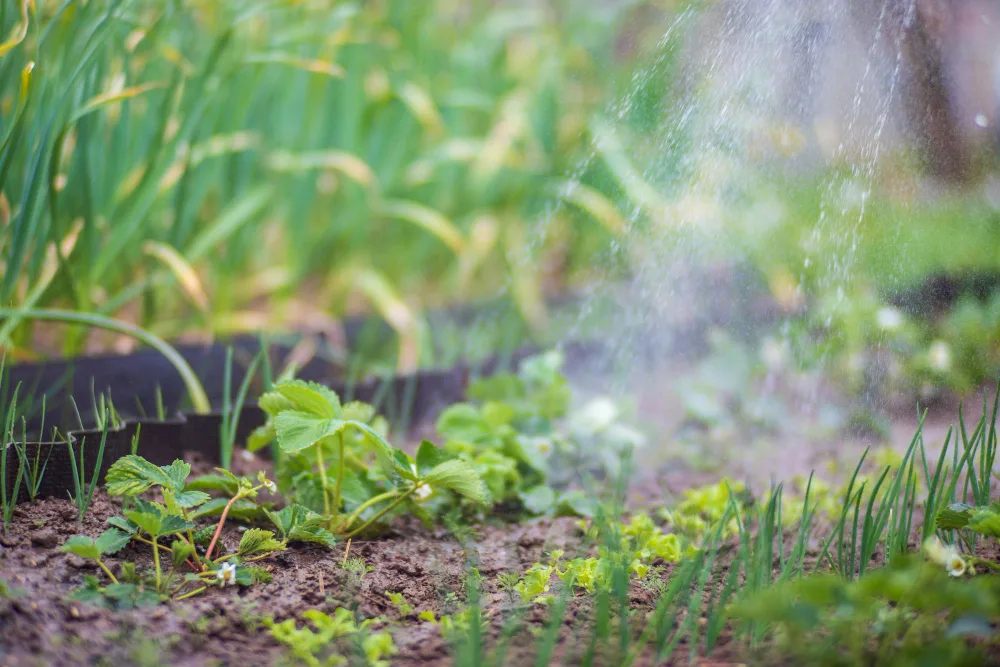
With summer on the horizon, the sweet scent of soon-to-bloom flowers and the green promise of lush, healthy lawns beckon forth from your backyard. But this idyllic scene often comes with a hard truth—summer gardening, while rewarding, is no walk in the park. The key to a verdant and vibrant garden lies in a robust irrigation system, watering your flora efficiently, and maybe even saving a few bucks on utilities along the way.
In this comprehensive guide, we’re plunging into the very bedrock of an effective summer garden by detailing step-by-step the installation of an irrigation system for those in sunny Orlando, FL. Whether you are a gardening novice or a seasoned horticulturist, this guide promises to demystify the process and arm you with the knowledge you need to bring your garden to its full potential.
Assessing Your Garden’s Needs
To wield water as an ally in the summer gardening battle, one must first understand the terrain. When it comes to irrigation, not all gardens are created equal. Variables such as soil type, topography, and the types of plants being watered will determine the most effective setup for your garden.
Understanding Soil and Watering Depth
In Orlando, where sandy soil commonly prevails, watering deeply but infrequently is the rule of thumb. The sandy composition doesn’t hold water as well as other types, so more water is required to penetrate deep down to the root zone.
Surveying Plant Types and Garden Layout
Vegetables, for instance, require a consistent and even moisture level, while flower beds can sometimes tolerate dryer intervals. Take into account the layout of your garden space as well—spaces that are far from a spigot or awkward to reach are prime candidates for an irrigation solution.
Considering the Topography
Sloping landscapes can lead to water runoff, carrying away valuable nutrients with it. A tiered approach to irrigation—terracotta pots that release water slowly or drip irrigation systems—can be more beneficial for these areas.
Selecting the Right Irrigation Method
Once you’re well-versed in your garden’s requirements, it’s time to explore the myriad of methods available for irrigation and decide which is best for you.
Hand Watering
The traditional, simple method is best suited for small areas or gardens with various plant types that require different watering needs, allowing you to tailor your gardening maintenance closely.
Hose-end Sprinklers
These are great for medium to larger spaces and come in a variety of patterns and ranges, suitable for rectangular lawns or custom shapes like circular plant beds.
Drip Irrigation Systems
Highly efficient and low-maintenance, these are excellent for flower or vegetable beds, as well as conserving water, which is especially crucial in water-restrictive areas.
In-ground Sprinkler Systems
A more permanent solution, these systems offer complete uniformity in watering larger areas and can be set with timers for automated, care-free watering.
System Design and Planning
Creating a blueprint for your irrigation system is essential to ensuring that it fits the unique needs of your garden. This step may require basic math skills to calculate water flow and sprinkler head requirements.
Taking Measurements
Map out your garden and measure the distances between points where you plan to install sprinklers or hoses. This will help you determine how much hose/sprinkler you will need and how many sprinkler heads can be accommodated in a given zone.
Understanding Water Pressure
The strength of your water pressure will determine the types of sprinkler heads you can use and the spacing required. You may need to install pressure regulators or use heads with adjustable flow rates.
Zoning Your System
For larger gardens, dividing your irrigation into zones based on plant water needs and water pressure can ensure a more efficient watering process. Each zone can then be set with its unique timer and watering schedule.
Installation Day
You’ve assessed, planned, and drawn up the blueprint—now comes the installation. This is often the most intimidating step, but with careful preparation, it should be a breeze.
Laying Out the Mainline
The mainline carries water from the source to the various parts of your garden. If it’s PVC, you will need to cut and glue the sections together. Ensure you have an appropriately sized backflow preventer installed to protect against contamination.
Installing the Valves
Control valves help manage water flow to each zone in your system. These may be manual or automated, depending on your preference or the complexity of your garden.
Placing the Sprinkler Heads
If you've opted for traditional sprinkler systems, placement is key. Heads should overlap slightly to ensure uniform coverage. Don’t forget to cap off heads not in use to prevent water waste.
Connecting to the Water Source
Connect the mainline to your outdoor spigot or an existing irrigation system. Use hose bib connectors where necessary to make this step easier and more organized.
Testing and Maintenance
With installation complete, it's time to test your system and prepare for ongoing maintenance.
Water Flow Test
Turn on your system and check for any leaks. Measure the flow rate at each sprinkler to ensure it aligns with your calculations during the planning phase.
Seasonal Adjustments
You will likely need to adjust your system’s settings seasonally to account for changes in weather and plant needs. Always be prepared to fine-tune as you go.
Winterizing Your System
In Orlando, winters are mild, but occasional freeze events can still occur. Protect pipes and backflow preventers from freezing by draining water from the system before temperatures drop.
General Maintenance
Regularly check for leaks, clogs, or damaged components. A well-maintained system will save you time and money in the long run and keeps your garden healthy.
The Professional Touch
While this guide is designed for the DIY gardener, sometimes it’s best to leave irrigation installation to the experts. Professional landscapers like J.L.C. Outdoors can offer insights, experience, and the right equipment to ensure your garden is watered to perfection.
Final Thoughts
An effective irrigation system is the backbone of a thriving summer garden. By carefully assessing your garden’s needs, choosing the right method, designing a thoughtful plan, and executing a proper installation, you’re setting the stage for a season of stunning growth and beauty. With this guide in hand, you’re well on your way to becoming a summer gardening maestro.
In sunny Orlando, FL, the scorching summer heat is no match for a well-irrigated garden. By taking the time to plan and install an efficient irrigation system, you’re not just protecting your plants, you’re also contributing to water conservation efforts, ensuring that every drop counts where it’s needed most.
Need help with irrigation installation in Orlando, FL, contact J.L.C. Outdoors today for a free estimate. With our expertise, your garden can be summer-ready before the first bud even opens.