
Gardening can be incredibly rewarding, especially when you see the vibrant hues of your plants and the luscious fruits they bear. However, maintaining a garden is no small feat. It calls for a watchful eye, the right tools, and a good deal of labor. One of the keys to garden success is water, and the way you distribute it can make all the difference.
In this guide, we'll explore how drip irrigation systems can be the unsung hero of your landscape, and we'll provide a masterclass on designing, installing, and maintaining these efficient systems. Whether you're starting from scratch or looking to upgrade your existing setup, these tips will ensure that your garden is well-watered in the most efficient and cost-effective manner possible. And if you're a gardener or agriculturist in the Orlando, Florida area, these insights will be even more pertinent to maintain your lush, green oasis in the oftentimes sweltering heat of the region.
Why Drip Irrigation Systems Reign Supreme
A Water-Wise Solution
The main appeal of drip irrigation is its potential to conserve water. By delivering water directly to the roots of your plants, you minimize runoff and evaporation, which are two significant sources of water waste in traditional irrigation methods. Not only does this mean you're being environmentally friendly, but you're also saving on your water bill.
Precise Plant Health Management
Each plant in your garden has unique water requirements. Some may need only a little, while others require a drink. Drip irrigation allows you to customize the water delivery for each one. The result? Healthier plants that are neither overwatered nor left thirsty.
Weed Control and Soil Erosion Prevention
Because water is delivered right where you need it, there's very little chance for weeds to profit from the moisture intended for your plants. Plus, the steady, low-pressure stream of water helps maintain the structure of your soil, reducing the chances of erosion.
Time-Saving and Conducive to Remote Operation
Once your system is set up, the day-to-day management of your garden's watering needs become almost automated, saving significant time. Modern systems can even be controlled remotely via your smartphone or computer, adding an unprecedented level of convenience to the mix.
Designing the Perfect Drip Irrigation System
Know Your Landscape
The first step in designing your system is to understand your garden's layout. Take accurate measurements and create a scale drawing. Note down any slopes, plant types, and their layout.
Select the Right Components
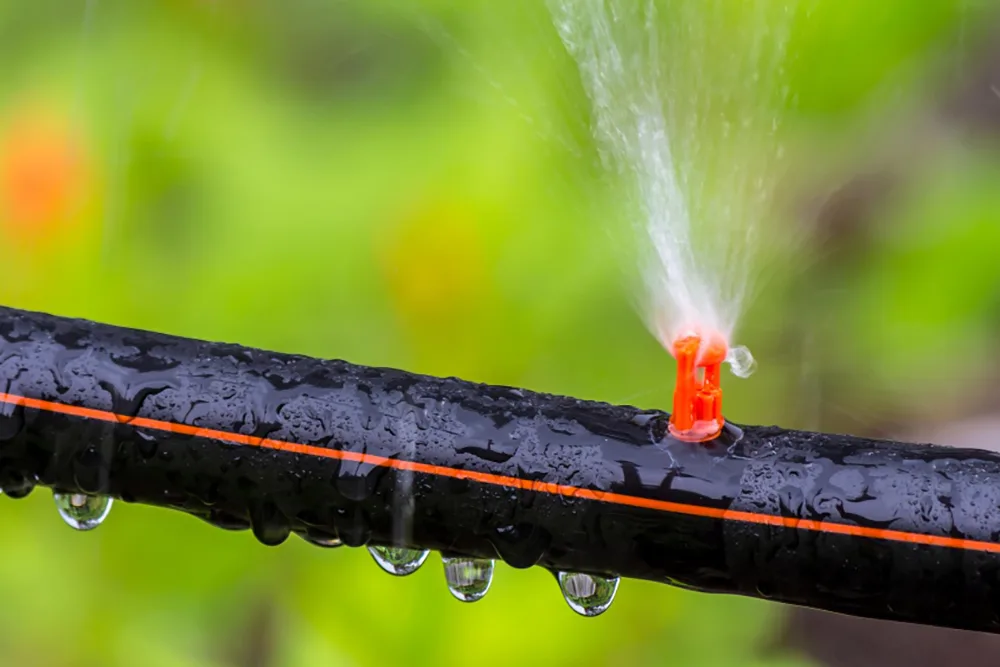
There is a myriad of drip irrigation components available and choosing the right ones can be overwhelming, but it's crucial for an effective system. Drippers, tubing, bubblers, micro-sprays, and emitters — each serves a specific purpose.
Consider Your Water Source
The water source will determine the kind of pressure and flow rate you have available. Your chosen system must be compatible with these parameters. If your water source is high in mineral content, you may need to consider filtration as well.
Create Zones
Group plants with similar watering needs into zones. This will ensure that you can provide appropriate water volume and duration to each zone.
Add a Timer
A good timer is the heart of your system. It will help you maintain a consistent watering schedule and not overwater your garden, which can be as harmful as underwatering.
Installation — DIY or Professional Help?
DIY Drip Installation
If you have a smaller garden, installing your drip system could be a great DIY project. Starting small with a kit is a good way to learn and you can always expand later. Remember to use a hole punch and join pieces with barbed connectors for a secure fit.
Professional Drip Installation
For larger gardens or if you're not confident in your DIY skills, it may be worth the investment to hire a professional. A well-installed system will save water, time, and potential headaches down the line.
Key Considerations for Drip Irrigation Installation
When laying out your system, it's essential to:
- Use secure stakes to prevent tubing from shifting or being damaged by foot traffic or wind.
- Angle your emitters downward on sloped surfaces to ensure water gets to the root zone.
- Install a check valve and pressure regulator to control water flow and pressure, especially if your system is uphill or runs on a slope.
Maintenance and Troubleshooting Pro Tips
Regular System Checks
Even the best systems can develop issues over time. Regular checks will ensure your system remains in top condition. Look for leaks, clogs, and damaged components.
Winterizing
If you're in a region with cold winters, it's necessary to protect your system from freezing temperatures. This usually involves draining the system and storing components in a protected area.
Understanding Your Plants' Needs
As your garden matures, the water needs of your plants can change. Be prepared to make adjustments to your system to ensure your garden continues to flourish.
Troubleshooting Common Issues
- Low pressure or no water flow could indicate a clog. Check your filters and emitters for debris.
- Irregular watering can be a result of inconsistent pressure. Inspect your lines for kinks and ensure all connections are tight.
- High water consumption might mean you have a leak. Look for wet patches or exceptionally lush plant growth.
Professional Maintenance Services
For an extensive system or if you're not comfortable maintaining it yourself, consider an annual maintenance service. A professional can spot potential issues before they become problematic and keep your system running smoothly.
Maximizing Drip Irrigation Efficiency in Orlando's Climate
Dealing with High Heat and Sun Exposure
Orlando's climate can be harsh on plants, and consistent watering is essential to their survival. Positioning your emitters and tubing to avoid direct sun exposure will help reduce evaporation and ensure your plants receive the water they need.
Smart Watering Schedules
Understanding the peak watering needs for your garden in Orlando's climate will help you set up an efficient watering schedule. Opt for times of the day when evaporation levels are lowest, typically early morning or late evening.
Seasonal Adjustments
Orlando experiences significant seasonal changes. Adjusting your drip system's settings to accommodate these shifts will prevent under or overwatering your plants, promoting their health year-round.
Ready to Upgrade to Drip Irrigation?
Whether you're a seasoned gardener or a novice with a green thumb, drip irrigation systems are a fantastic investment. They not only make taking care of your garden more manageable but also allow for the personalized care each plant deserves.
If you're in Orlando, Florida, where the weather is warm and water conservation is crucial, a drip irrigation system could be the answer to your gardening dreams. To take your garden to the next level, get in touch with J.L.C. Outdoors, a premier landscaping and irrigation repair company in Orlando, for professional advice and expert services. They can help you design an efficient system that fits your garden's unique requirements and ensure your plants stay hydrated and healthy.
Remember, a well-designed and properly maintained drip irrigation system is an investment that will keep your garden thriving and contribute to the eco-conscious landscape of Orlando, Florida. Start planning your system today and watch as your garden grows more beautifully than you thought possible. If you need help with irrigation repair in Orlando, FL, contact J.L.C. Outdoors today for free estimates.