

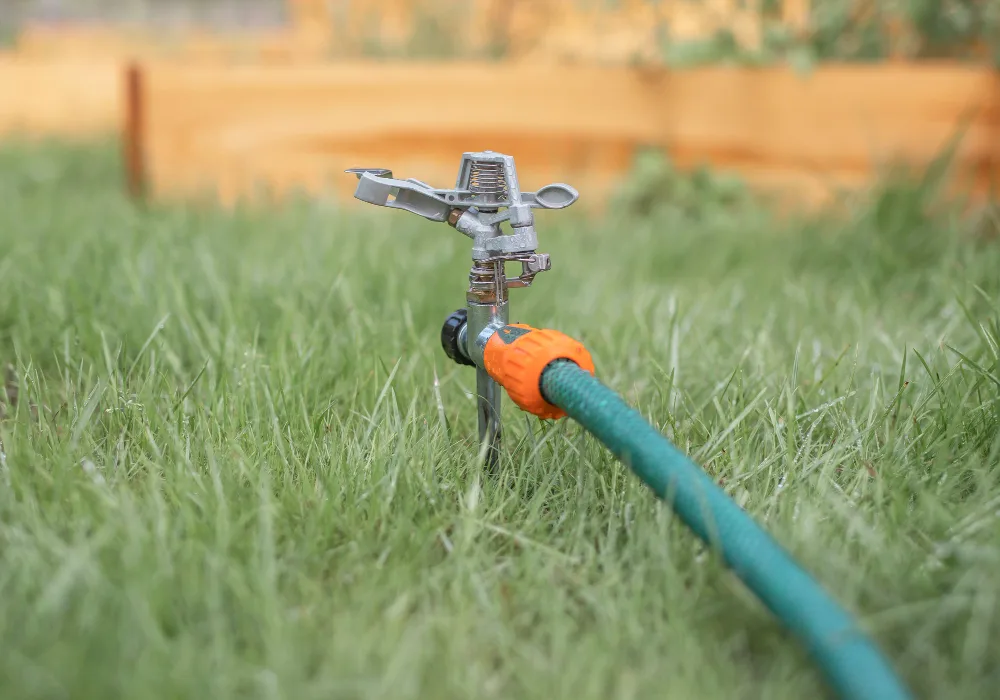
A well-maintained sprinkler system keeps your lawn green and healthy throughout Florida's hot summers. However, when sprinkler valves start malfunctioning, you might notice brown patches, flooded areas, or sections of your yard that never seem to get watered. Understanding common valve problems and their solutions can help you maintain your system and know when to call a professional for sprinkler head repair in Orlando, FL.
Sprinkler valves control water flow to different zones in your irrigation system. When they fail, the effects are immediately visible on your landscape. Some issues you can tackle yourself with basic tools, while others require professional expertise to prevent costly damage to your system.
Signs Your Sprinkler Valves Need Attention
Before diving into specific repairs, recognize the warning signs that indicate valve problems. Water continuously running in one zone suggests a valve that won't close properly. Conversely, if a zone never activates, the valve might be stuck closed or have electrical issues.
Low water pressure in certain areas often points to partially blocked valves or debris in the system. You might also notice unusual sounds like chattering, grinding, or loud clicking when zones switch on and off.
Valve Won't Turn On
When a sprinkler zone refuses to activate, several culprits could be at fault. Start by checking the most obvious causes before moving to complex electrical diagnostics.
Check the Controller Programming
Verify your controller settings first. Ensure the zone is programmed to run and hasn't been accidentally disabled. Check that the current time and day are set correctly, as programming schedules won't function properly with incorrect time settings.
Inspect Electrical Connections
Examine wire connections at both the controller and valve box. Look for corroded, loose, or damaged wires. Florida's humid climate can cause corrosion at connection points, disrupting the electrical signal needed to activate valves.
Use a multimeter to test voltage output from the controller. You should read approximately 24 volts AC when the zone is activated. If voltage reaches the valve but it still won't open, the solenoid likely needs replacement.
Replace the Solenoid
The solenoid is an electromagnetic coil that opens and closes the valve. When it fails, the valve remains closed regardless of electrical signals. Solenoids are relatively inexpensive and can be unscrewed from the valve body without shutting off your main water supply.
Before removing the old solenoid, turn off the controller to prevent electrical shorts. Unscrew the solenoid counterclockwise and install the replacement by hand, then tighten with pliers. Avoid over-tightening, which can damage the threads.
Valve Won't Turn Off
A valve that continues running after its programmed cycle creates water waste and can flood your landscape. This problem typically stems from debris or a damaged diaphragm inside the valve.
Clean the Valve
Debris trapped in the valve seat prevents proper closure. Turn off water to the affected zone and remove the valve's top section by unscrewing the bolts or solenoid, depending on your valve type.
Lift out the diaphragm carefully and inspect both the diaphragm and valve seat for sand, grass clippings, or other debris. Clean all surfaces with water and a soft brush. Even small particles can prevent the valve from sealing completely.
Replace the Diaphragm
If cleaning doesn't solve the problem, the diaphragm may be cracked, warped, or torn. Diaphragms are rubber components that create the seal necessary for proper valve operation. They deteriorate over time due to water chemicals and constant flexing.
Purchase the correct diaphragm for your valve model. Installation is straightforward: remove the old diaphragm and position the new one exactly as the original sat. Ensure all edges align properly before reassembling the valve.
Low Water Pressure Issues
Reduced water pressure affects sprinkler performance and coverage. Multiple factors can cause pressure problems, from clogged screens to partially stuck valves.
Clean the Flow Control Screen
Most valves contain a small screen that filters debris from entering the valve mechanism. Over time, this screen accumulates sediment and organic matter, restricting water flow.
Access the screen by removing the valve bonnet. The screen typically sits at the inlet side of the valve. Rinse it thoroughly with clean water and use a soft brush to remove stubborn debris. Replace screens that are torn or heavily damaged.
Adjust the Flow Control
Some valves include manual flow control screws that regulate water volume to each zone. If someone previously adjusted these screws, water pressure might be unnecessarily restricted.
Turn the flow control screw counterclockwise to increase pressure. Make small adjustments and test the system between changes. Opening the valve too much can cause pressure problems in other zones.
Valve Cycling or Chattering
Valves that rapidly open and close create a chattering sound and uneven water delivery. This issue usually indicates electrical problems or worn internal components.
Check Wire Gauge and Connections
Undersized wires can't carry sufficient electrical current to hold valves open consistently. Measure the distance from your controller to problem valves. Wires running more than 200 feet typically need heavier gauge wire to maintain proper voltage.
Examine all wire splices for corrosion or loose connections. Poor connections create electrical resistance, reducing voltage delivered to the valve solenoid.
Replace Internal Components
Worn valve seats or damaged springs can cause erratic valve operation. If electrical connections are sound but chattering persists, internal valve components likely need replacement.
Consider replacing the entire valve if it's more than 10 years old. Newer valves offer improved reliability and may provide better pressure regulation than older models.
Preventive Maintenance Tips
Regular maintenance prevents many valve problems and extends system life. Schedule seasonal inspections to catch issues before they cause landscape damage.
Clean valve boxes regularly to prevent pest infestations and make future repairs easier. Trim vegetation around sprinkler heads and valve boxes to maintain access and prevent root intrusion.
Test your system monthly by running each zone and observing sprinkler patterns. Look for broken heads, uneven coverage, or signs of valve problems during these checks.
When to Call Professionals
While homeowners can handle basic valve maintenance, some situations require professional expertise. Electrical troubleshooting can be dangerous without proper knowledge and tools. Complex valve replacements or system redesigns are best left to experienced technicians.
If multiple zones fail simultaneously, the problem likely lies in your controller or main water supply rather than individual valves. These system-wide issues often require professional diagnosis and repair.
Keep Your System Running Smoothly
Understanding common valve problems helps you maintain a healthy sprinkler system and beautiful landscape. Regular maintenance catches small issues before they become expensive repairs, while knowing when to tackle repairs yourself saves money on service calls.
If you need help with sprinkler head repair in Orlando, FL, contact J.L.C. Outdoors today for free estimates. Professional technicians can diagnose complex problems and ensure your irrigation system operates efficiently for years to come.