
Living in Central Florida means we get to enjoy our backyards nearly year-round, but it also means our lawns face some intense challenges. Between the scorching midday sun, the sandy soil, and the occasional tropical storm, keeping your curb appeal high can feel like a full-time job. Whether you just bought a new home in Dr. Phillips or you're looking to revamp your current yard in Winter Park, understanding the unique quirks of our environment is the first step to a lush landscape.
A beautiful yard doesn't happen accidentally. It takes planning and a bit of local know-how. If you're looking for professional help with residential landscaping design or just need guidance on which plants won't wilt in August, we are here to help. Here is how you can master your Florida landscape.
Is your soil actually just sand?
Yes, in most of Central Florida, your soil is likely predominantly sand. Unlike the rich, dark soil you might find in northern states, our sandy ground drains water incredibly fast. This matters because water and vital nutrients often wash away before your plants’ roots can grab them, leading to malnourished greenery that struggles to grow.
To fix this, you don't necessarily need to replace all your dirt. You can improve what you have by amending the soil with organic matter, such as compost or peat moss. This acts like a sponge, helping the sand hold onto moisture and nutrients longer. You can pick up a simple soil testing kit at a local hardware store to see exactly what nutrients your yard is missing before you start planting.
Which plants can handle the heat?
Native Florida plants are your best defense against the humid, hot climate. These plants have evolved over thousands of years to thrive in our specific weather conditions, meaning they require less water, less fertilizer, and less fuss than exotic species. "Right Plant, Right Place" is the golden rule here. Putting a shade-loving fern in a spot that gets blasted by the afternoon sun is a recipe for disaster.
For sunny spots, consider drought-tolerant options like Coontie or blanket flower. If you have a shady corner under an oak tree, wild coffee or ferns work wonders. By choosing plants that naturally want to be here, you save yourself time and money on replacements later.
Are you watering too much or too little?
You are likely restricted to watering one or two days a week depending on your address, but that is usually enough if you water deeply. Shallow, frequent watering encourages roots to stay near the surface where they dry out quickly. Deep watering encourages roots to grow down, finding moisture even during dry spells.
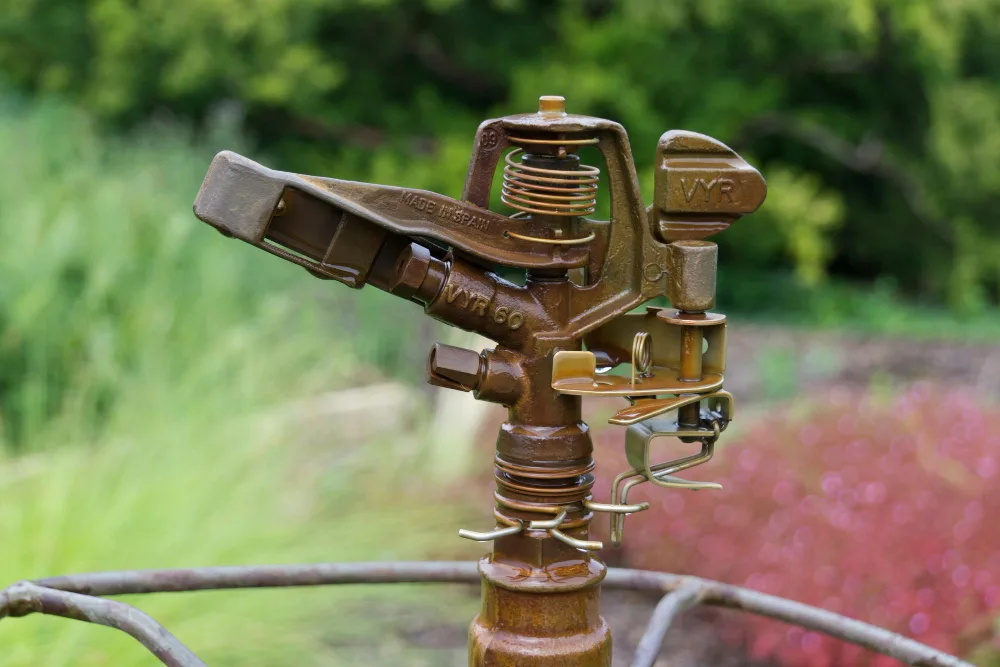
Efficiency is key. An outdated system can waste thousands of gallons of water. If you see water spraying the sidewalk instead of the grass, or if you have a zone that just won't turn on, you likely need sprinkler repair Orlando homeowners rely on to keep bills low. We also recommend checking your residential irrigation system regularly for leaks. A single broken head can waste huge amounts of water and kill the surrounding grass quickly.
What is eating your garden?
Chinch bugs and sod webworms are two of the biggest threats to Florida lawns, particularly St. Augustine grass. These pests are tiny, but the damage they cause is massive. If you see yellow or brown patches spreading in your lawn, do not assume it's just dry grass. Pull up a piece of sod at the edge of the damage; if it peels up like carpet with no roots holding it down, you might have grubs or webworms.
You can treat these issues with various products, but early detection is your best friend. Keeping your lawn healthy with proper mowing and watering actually makes it more resistant to these pests. A stressed lawn sends out chemical signals that practically invite bugs to come feast.
When is the best time to plant?
Believe it or not, the best planting season here isn't the middle of summer—it's typically October through March. During these months, the cooler temperatures put less stress on new plants, allowing their roots to establish before the heat kicks back in.
Also, be aware of local fertilizer ordinances. Many counties in our area have "blackout periods" during the rainy summer months (typically June through September) where applying nitrogen/phosphorus fertilizer is prohibited to protect our waterways from runoff. Ignoring this helps pollute our local lakes and springs, so timing your fertilization for the spring is safer and more effective.
How much does maintenance really cost?
Routine maintenance is an investment that prevents costly overhauls later. For an average-sized property, monthly maintenance services generally range from $100 to $300, depending on what is included. While that might seem like a monthly pinch, consider the alternative: replacing a dead lawn.
If you neglect the lawn and have to resod, the costs jump significantly. Sod installation typically costs between $1.50 and $3.00 per square foot. For a standard 2,000-square-foot lawn, that is a bill you definitely want to avoid. Regular checks on your system, including timely sprinkler repair Orlando locals trust, protect that investment. Spending a little on maintenance now saves you thousands on replacement later.
Do you need professional help?
Keeping a Florida yard beautiful involves a lot of moving parts, from fighting pests to ensuring your sprinkler repair Orlando needs are met before the dry season hits. If you enjoy the yard work, these tips will set you on the right path. However, if you would rather spend your weekends visiting the theme parks or relaxing at home, calling in a pro is the smart move.
We are local experts who understand the soil, the bugs, and the weather patterns of Central Florida. We treat your home like our own.
For a yard you can be proud of without the sweat, contact JLC Outdoors Lawn & Landscape Services at (407) 595-5818 today.