
The Italian Cypress (Cupressus sempervirens) is that tall, slender tree you often see flanking driveways or framing entryways in upscale neighborhoods like Windermere and Dr. Phillips. Their elegant, columnar shape adds an immediate touch of Mediterranean class to any property. But if you're planting them young, you're probably asking one big question: How long until these trees actually look like the pictures?
For Florida homeowners, the answer is good news. In our climate, Italian Cypress trees generally grow about 1 to 2 feet per year. However, hitting that max speed depends heavily on how you treat them. Let's dig into what makes these trees thrive in Central Florida and how you can get that privacy hedge established faster.
What Factors Affect the Italian Cypress Growth Rate?
Like any living thing, an Italian Cypress needs the right environment to reach its full potential. While they are relatively low-maintenance once established, their early years require specific conditions to ensure they don't just survive, but sprint upward.
Sunlight
Does your yard get full sun? Italian Cypress trees are sun-worshippers. They require full sun, meaning at least six to eight hours of direct sunlight every day. If you plant them in a shady corner or under the canopy of a massive oak tree, their growth will stall, and they may become sparse and leggy rather than dense and green. In our "Sunshine State," this is usually easy to achieve, but always check the shade patterns of your home before planting.
Soil Conditions
Can these trees handle Florida's sandy soil? Yes, they can, but drainage is non-negotiable. These trees hate "wet feet." If water sits around their roots for too long, they can develop root rot, which will slow growth significantly or even kill the tree. Florida’s naturally sandy soil is actually a benefit here because it drains quickly. If you have an area of your yard that tends to puddle after one of our famous afternoon thunderstorms, that is not the spot for an Italian Cypress.
Watering Schedule
How much water do they really need? While mature Italian Cypress trees are drought-tolerant, young trees need consistent moisture to establish their root systems. For the first few months after planting, water them deeply two to three times a week. After the first year, you can scale back.
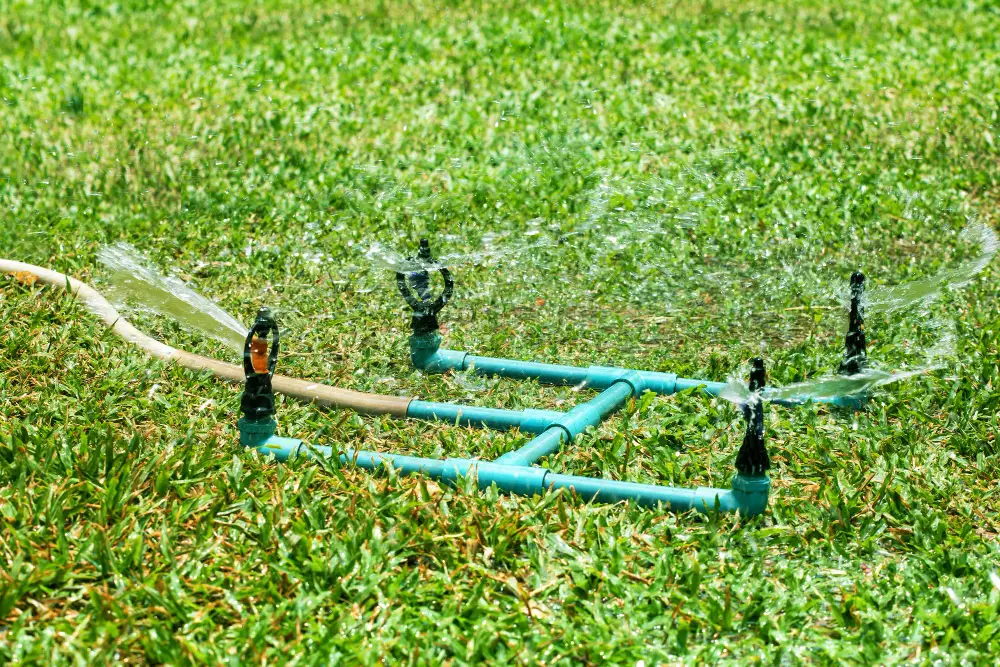
However, irrigation issues are the silent killer of landscape investments. A broken sprinkler head hitting the trunk of the tree can cause fungal issues, while a zone that doesn't run long enough will leave the roots thirsty. If you suspect your system isn't calibrating correctly, you might need a sprinkler system repair residents trust to ensure your new trees get the right coverage. A typical irrigation inspection and tune-up can cost between $75 and $150, but it protects the hundreds of dollars you just spent on new trees.
Fertilizer Usage
Do you need to fertilize Italian Cypress trees? In the sandy soils of Orange and Seminole counties, nutrients flush out quickly. A slow-release, balanced fertilizer applied in the spring can give your trees the boost they need to hit that 2-to-3-foot growth marker. Look for a fertilizer with a 10-10-10 ratio. Be careful not to over-fertilize, as this can burn the roots.
Why is Florida Ideal for Italian Cypress Trees?
Florida offers a unique "Goldilocks" environment for these Mediterranean natives. Our zone (9b/10a) provides the warmth they love without the deep freezes that can damage them in northern states.
Our long growing season means the trees aren't dormant for very long. While trees in Ohio might stop growing in October, your Italian Cypress in Altamonte Springs or Longwood is still photosynthesizing and inching upward well into November. The high humidity we experience from June through September also helps keep the foliage lush, provided there is adequate airflow around the branches.
If you're looking to overhaul your yard with these beauties, professional residential landscaping design helps ensure they are placed in the perfect spots to maximize our local climate benefits while avoiding common pitfalls like overcrowding.
What Common Issues Slow Down Growth in Florida?
Even in paradise, pests and diseases can strike. Catching these early is the key to keeping your growth rate on track.
Pests to Watch For
Spider mites are the biggest enemy of the Italian Cypress in Florida. These tiny pests suck the sap from the needles, causing them to turn gray or brown. If you notice your green tree looking dusty or webbed, you likely have mites. A strong blast of water from the hose can often knock them off, but severe infestations might need horticultural oil.
Fungal Diseases
Canker and root rot are the primary disease threats. Seiridium canker causes brown patches and resin oozing on the bark. Unfortunately, this is often difficult to treat and usually requires pruning out the infected branches. Prevention is easier than the cure: ensure your sprinklers aren't hitting the foliage directly. Proper residential irrigation adjustments can direct water to the root zone where it belongs, keeping the canopy dry and fungus-free.
How Does the Growth Rate Compare to Other Florida Trees?
If you're trying to decide between Italian Cypress and other screening trees, it helps to know how they stack up speed-wise.
- Italian Cypress: Moderate to Fast (1–2 feet per year).
- Podocarpus: Moderate (1–2 feet per year). Very popular for privacy hedges but requires more trimming to keep a formal shape.
- Areca Palm: Fast (2+ feet per year). Gives a tropical look but grows wider, taking up more yard space.
- Viburnum: Fast (2+ feet per year). A bushy shrub that creates a thick wall quickly but lacks the vertical elegance of the Cypress.
While Viburnum might fill in a gap faster, it doesn't offer the architectural "exclamation point" that an Italian Cypress adds to a home’s curb appeal.
Maximizing Your Landscape Investment
To get the most out of your Italian Cypress trees, remember these key takeaways:
- Plant in full sun. Shade is the enemy of speed.
- Prioritize drainage. Sandy soil is your friend here.
- Check your irrigation. Ensure water hits the roots, not the trunk or leaves. A quick check now can save you a $300 to $800 sprinkler system repair Orlando residents often face later down the road when neglected systems fail.
- Monitor for mites. A dusty-looking tree is a distressed tree.
With just a little bit of attention, your Italian Cypress trees will be towering over your fence line in no time, providing the privacy and elegance you're looking for.
Ready to transform your yard?
Don't guess about your soil or your sprinklers. Let the local pros handle the heavy lifting. Contact JLC Outdoors Lawn & Landscape Services at (407) 595-5818 today for a free estimate on getting your landscape growing.