

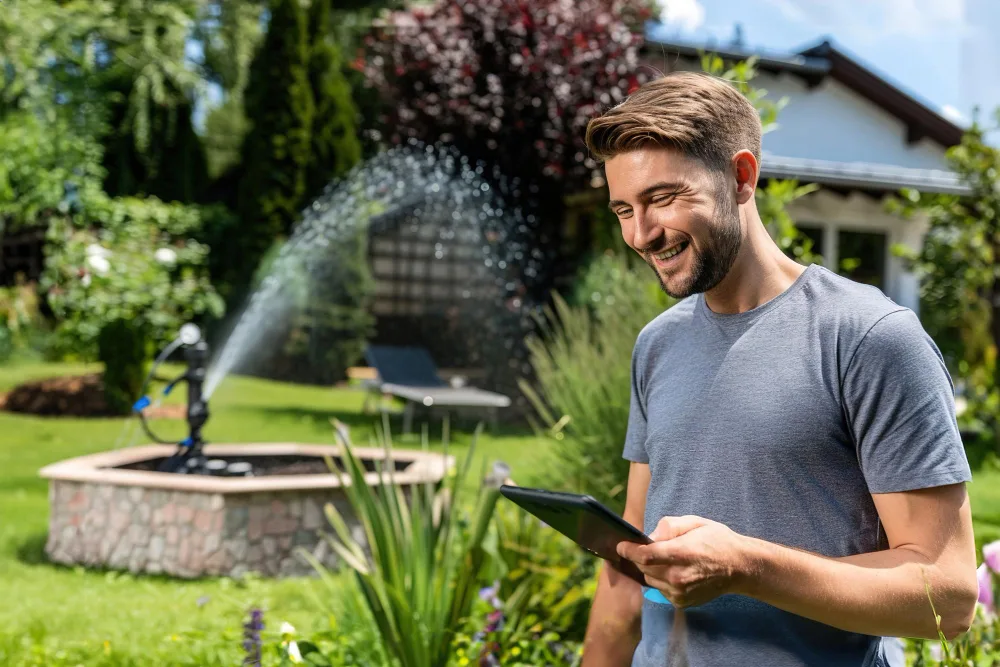
Is your lawn struggling to survive the intense Florida sun, or are you dragging hoses around your yard every evening just to keep the grass green? If you live in Orlando, you know that keeping a landscape lush requires more than just luck; it takes a reliable water strategy. Installing a new irrigation system solves the constant battle against our dry spells and ensures your residential landscaping thrives year-round.
In this guide, we'll walk you through exactly what to expect during a new install, from costs to permits, so you can make the best choice for your home.
Why Do Orlando Homeowners Need Professional Irrigation?
In Central Florida, a professional irrigation system saves you hours of manual labor and reduces water waste by targeting the specific needs of your plants. Orlando's sandy soil drains water rapidly, meaning hand-watering often fails to reach the deep root zones necessary for St. Augustine or Zoysia grass to survive our 90°F+ summers.
Beyond convenience, a properly designed system protects your investment. Replacing sod and landscape plants can cost thousands of dollars if they wither during a drought. An automated system delivers precise amounts of water before the sun rises, minimizing evaporation and fungal growth. This consistency is something a garden hose simply can't match.
How Much Does an Irrigation Installation in Orlando Cost?
For a standard quarter-acre lot in Orlando, a complete irrigation install typically ranges from $3,000 to $5,000. This price varies based on the number of zones you need, the water source (reclaimed vs. potable), and the complexity of your landscape design. Smaller lots might see costs closer to $2,500, while larger estates in areas like Dr. Phillips or Windermere with extensive planting beds could exceed $7,000.
Several factors influence your final quote:
- Number of Zones: More zones mean more valves, pipes, and labor.
- Controller Type: Wi-Fi-enabled smart controllers cost more upfront ($150-$300) but save money long-term.
- Boring: If we need to run pipes under driveways or sidewalks, labor costs increase.
- Water Pressure: Low pressure may require additional booster pumps.
It's tempting to look for the cheapest bid, but quality components matter. We use commercial-grade heads and valves that stand up to Florida's heat and sandy soil, ensuring your system lasts 15-20 years rather than failing in three.
What Permits and Restrictions Apply to Orlando Irrigation?
Yes, you generally need a permit for an irrigation install in Orlando and the surrounding Orange County areas. The cost for an irrigation permit typically runs between $80 and $150, depending on the specific municipality. This permit ensures that a backflow prevention device is installed correctly to protect the public water supply from contamination.
Navigating local watering restrictions is just as critical. St. Johns River Water Management District enforces strict schedules:
- Daylight Savings Time: Watering is usually allowed twice a week.
- Eastern Standard Time: Watering is restricted to once a week.
Violating these restrictions can result in fines starting at $50. A professional residential irrigation installation includes programming your controller to comply with these specific days and times automatically. We also install rain sensors—required by Florida law since 1991—that shut off the system when nature does the watering for you.
Which is Better: Spray Heads or Drip Irrigation?
For Florida landscapes, the best approach is usually a hybrid system: use spray heads for turf areas and drip irrigation for plant beds.
Spray Heads (Rotors and Pop-ups):
These are ideal for large, open grassy areas like you see in neighborhoods throughout Winter Park or College Park. Rotors shoot a stream of water back and forth, covering large distances (15-30 feet), while pop-up sprays cover smaller, fixed areas. They apply water quickly but can be susceptible to wind drift.
Drip Irrigation:
This is the gold standard for flower beds, shrubs, and vegetable gardens. Drip lines sit on top of the soil (under the mulch) and deliver water directly to the plant's roots.
- Efficiency: Drip systems are 90% efficient or higher, compared to 50-70% for sprays.
- Disease Prevention: By keeping water off the leaves, you reduce the risk of mold and fungus, a major issue in humid climates.
- Weed Control: You only water the plants you want, starving nearby weed seeds.
Using the right tool for the correct zone saves water and keeps your plants healthier.
Do Smart Controllers Really Save Money?
Yes, upgrading to a smart controller can reduce your water usage by 30-50%, paying for itself within the first year or two. Traditional timers run on a set schedule regardless of the weather. If it rained two inches yesterday, a "dumb" timer will still run tomorrow morning, wasting water and potentially drowning your plants.
Smart controllers connect to local Wi-Fi weather stations. If rain is in the forecast for Lake Nona, the system waits. If we're in a heatwave, it adjusts to add a little more hydration.
Features we recommend:
- App Control: Turn your sprinklers on or off from your phone—perfect for testing zones or scaring away pests.
- Flow Meters: These detect leaks (like a broken head) and shut off that specific zone, sending you an alert before you end up with a massive water bill.
- Seasonal Adjust: Automatically scales run times down in winter and up in summer.
How Do You Maintain an Irrigation System in Florida?
Routine maintenance is the key to avoiding costly emergency repairs. We recommend a system check-up every six months, ideally in spring and fall. Florida's sandy soil is tough on equipment; grit can jam valves and clog nozzles, while our lawn crews inadvertently run over heads more often than you'd think.
Here is a simple homeowner checklist:
- Check for "Geysers": Turn on each zone and look for broken heads shooting water straight up.
- Inspect Coverage: Brown spots often mean a head is misaligned or blocked by overgrown grass.
- Clean the Rain Sensor: Cork discs in older sensors can dry out and crumble. If your system runs during a downpour, the sensor needs replacement.
- Clear Clogs: If a spray head has weak pressure, unscrew the nozzle and clean the small filter basket inside.
Our team at JLC Outdoors typically spots issues like weeping valves or underground leaks that homeowners might miss until the water bill spikes.
Need Help With Your Irrigation Install Orlando?
Don't let a dry season ruin your curb appeal. A professional irrigation installation Orlando homeowners trust will save you water, time, and stress. Whether you need a brand-new system or an upgrade to smart technology, we're here to help.
JLC Outdoors Lawn & Landscape Services
(407) 595-5818